What is life insurance for first responders?
Life insurance for first responders generally refers to personal insurance selected with the risks and requirements of first-response occupations in mind. Depending on the policy and the person’s circumstances, the overall insurance strategy may be a combination of life cover, TPD insurance, income protection and trauma cover. Each type of cover has a different purpose and may help manage particular financial consequences of death, illness or disability, subject to the policy terms.
Life Insurance for First Responders (Life Cover)
Life cover generally pays a lump-sum benefit if the insured person dies or meets the policy’s definition of terminal illness. The benefit is usually paid to the policy owner or nominated beneficiary, depending on the policy structure.
Total and Permanent Disability (TPD) Insurance for First Responders
TPD insurance generally pays a lump-sum benefit if the insured person meets the policy’s definition of total and permanent disability following an illness or injury. Depending on the policy, the definition may be based on the person’s ability to work or perform specified activities of daily living.
The definition of disability can be classified as follows:
Any occupation: generally considers whether you are unlikely ever to work again in an occupation for which you are reasonably suited by your education, training or experience.
Own occupation: generally considers whether you are unlikely ever to work again in your usual or specific occupation. Availability can depend on the occupation, insurer and policy structure.
Activities of daily living: generally considers whether you are permanently unable to perform a specified number of basic self-care activities without assistance, such as bathing, dressing, eating, toileting or moving independently.
The definitions of these terms may differ from insurer to insurer and policy to policy, so it is important to refer to the relevant Product Disclosure Statement and policy terms.
Income Protection for First Responders
Income protection insurance can provide a regular benefit if an insured person is temporarily unable to work because of an illness or injury and meets the policy definition. Waiting periods, benefit periods, insured amounts, occupational classifications, exclusions and other terms vary between policies.
For first responders, occupational duties may affect whether cover is available and the terms offered by an insurer. Applicants should refer to the relevant Product Disclosure Statement and policy terms.
Trauma Insurance for First Responders
Trauma insurance, also called critical illness insurance, can provide a lump-sum benefit if the insured person is diagnosed with a specified medical condition, such as certain cancers, a stroke or a heart attack, and meets the policy definition.
First responders may face demanding working conditions and repeated exposure to stressful or hazardous situations, making it useful to understand what a policy covers and how its medical definitions operate.
The events covered, benefit amounts, definitions, exclusions and eligibility requirements vary between policies and insurers. Any benefit is subject to the terms of the relevant policy and acceptance of a valid claim.
Factors that may affect life insurance applications and terms
An insurer may take into account the applicant’s duties, work environment, health, hobbies and other relevant factors when assessing an application. Depending on the insurer and type of cover, this assessment may affect eligibility, premiums, exclusions or other policy terms.
The insurer may consider the following factors:
Specialist or high-risk duties: An insurer may consider whether the applicant performs tactical, rescue, specialist-response or other duties involving increased occupational risk.
Exposure to hazardous materials: Firefighters and hazardous-materials teams may encounter smoke, chemicals and other potentially dangerous substances. An insurer may consider the nature and frequency of the exposure and how it is managed.
Use of firearms: An insurer may take into account whether an activity involves carrying or using a firearm and the circumstances of the activity for police and other authorised personnel.
What First Responders Should Consider When Comparing Cover
The appropriate amount and type of cover will depend on factors such as income, debts, family responsibilities, existing insurance and the financial effect of illness, injury or death. First responders’ occupational duties can also affect product availability and policy terms.
Policies can contain exclusions and limitations that affect when a benefit is payable. It is important to compare the relevant definitions, exclusions and other terms before deciding whether a policy is suitable.
When comparing policies, the following features and terms are useful to consider:
Treatment of occupational incidents
Occupational duties may affect the availability of cover and the application by the insurer of exclusions, loadings or other conditions. Instead of assuming that all policies cover the same, first responders may want to consider how their policy treats incidents that happen while performing their usual duties. Cover is subject to the policy definitions, exclusions and terms.
Mental health and PTSD coverage
Mental health conditions may affect a person’s ability to work. How these conditions are assessed varies between TPD and income protection policies and depends on the policy definitions, underwriting outcomes, exclusions and other terms. Applicants should check the definitions of disability, exclusions, waiting periods and benefit periods, including any terms regarding mental health conditions.
Continuity of cover
Some first responders may be able to continue their group insurance through an employer or superannuation fund. That coverage may change if you change jobs. Individually owned insurance may not be directly tied to a particular employer, but continuity depends on the policy remaining in force, premiums being paid and the applicable policy terms. It may be sensible to review existing arrangements before changing or cancelling any cover.
Insurance Considerations for Different First-Responder Roles
Police
Police officers may have roles that can affect how insurers view their applications, including operational response, use of firearms and exposure to hazardous situations. Depending on their circumstances, they may also consider life cover, TPD insurance, trauma insurance and income protection, subject to underwriting and policy terms.
Find out more about income protection for police officers.
Firefighters
Firefighters may be exposed to smoke inhalation, hazardous substances, extreme heat and structural hazards. Their duties, work environment and frequency of exposure may affect underwriting, product availability, premiums or policy terms.
Paramedics
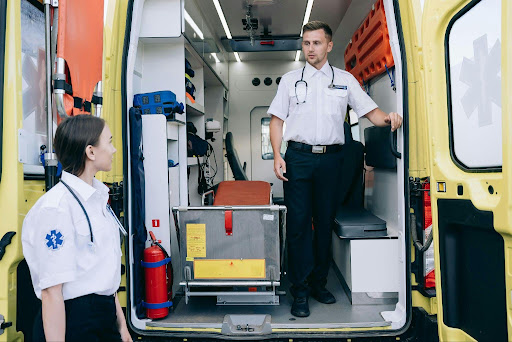
Paramedics may work in physically demanding and unpredictable environments. Their duties, work setting and other individual circumstances may affect underwriting, product availability and policy terms. How illness or injury is treated depends on the type of cover, underwriting outcome and policy terms.
Need Advice? Speak to Curo.
Explore your options and receive specialised life insurance advice tailored for first responders. Our advisers can help first responders understand their available insurance options, compare relevant policy features and navigate the application and underwriting process.
Contact our team and speak with a Curo adviser.